
What Key Areas Does CDP Cover?
As transparency in global markets shifts from being a preference to a financial necessity, the Carbon Disclosure Project (CDP) serves as the most reliable compass for companies to manage their environmental risks. CDP is the most prestigious reporting and assessment system, developed to measure, manage, and transparently disclose companies' environmental impacts, and is globally recognized. The framework offered by CDP transforms environmental issues from abstract goals into measurable, comparable, and financially analyzable areas.
Today, a company's ability to maintain its market value depends not only on its profit margins but also on its commitment to combating climate change. This system breaks down companies' environmental impacts into parts based on risk and impact intensity, rather than lumping them together under a single heading. This allows companies to see more clearly where they are most vulnerable, where they have the greatest impact, and which issues should become strategic priorities.
What is CDP's Fundamental Approach?
CDP does not evaluate environmental performance under a single score or a single report heading. Instead, it offers a modular structure that addresses environmental risks and impacts through different modules. This approach does not expect companies to manage all their environmental impacts simultaneously and at the same level of maturity. Instead, it defines a step-by-step development process by focusing on areas with the highest risk and impact.
This structure removes sustainability from being merely a communication or reputation management activity. Through CDP, environmental issues become an integral part of operational processes, investment decisions, and long-term strategies. Companies do not merely report their current status in the CDP process; they also reveal their future risks, opportunities, and transformation plans.
What Are CDP's Core Areas?
CDP's reporting framework is built on three main modules that pose the greatest threats to the global ecosystem and the biggest financial risks to the business world. The scope and focus of these modules are summarized in the table below:
Module
-
Climate Change
-
Water Security
-
Deforestation
Focus Area
-
Carbon Management
-
Water Stress and Management
-
Biodiversity and Supply
Key Topics Covered
-
Greenhouse gas emissions, energy efficiency, low-carbon transition plans, and climate risk analysis.
-
Water consumption volumes, wastewater management, risks in water-stressed regions, and basin-based strategies.
-
Supply chain traceability of commodities carrying forest risk (soy, palm oil, timber, etc.).
Each of these three core areas requires deep technical expertise and data verification discipline. At GreenLife, we don't just collect your data for the CDP reporting process; we optimize your score by translating this data into investor language, leveraging our decade-plus of industry experience and team of expert engineers. We transform this seemingly complex reporting process into a source of prestige for your company through our end-to-end management strategies.
What Does the Climate Change Module Cover in CDP?
Climate change is the main module at the heart of the CDP system. This module aims to provide a comprehensive picture of a company's carbon management. It evaluates not only the amount of greenhouse gases emitted into the atmosphere, but also how these emissions are managed, what risks they pose, and what transformation strategies are being developed.
Scope of the Climate Change Module
The CDP climate change module seeks to understand the extent to which companies link climate-related risks to their business models. Physical risks, transition risks, and potential opportunities are addressed within this framework. Extreme weather events, energy transition, regulatory pressures, carbon pricing, and changes in market expectations are among the key components of this module.
Emissions Types: Scope 1, Scope 2, and Scope 3
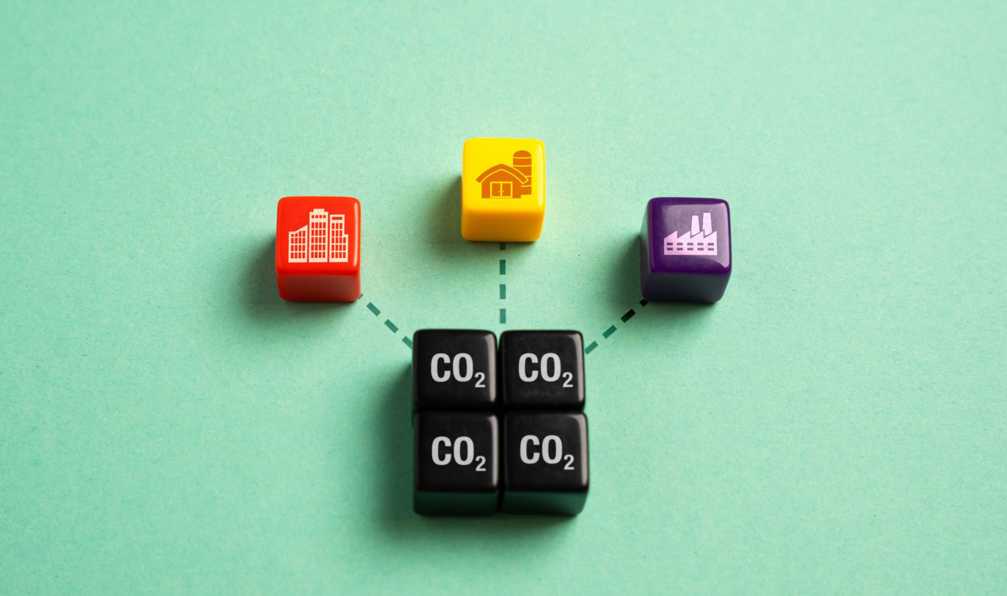
In the CDP climate change module, greenhouse gas emissions are classified under three main headings, while Scope 3 is classified under 15 subheadings. This classification aims to clearly distinguish between companies' direct and indirect impacts.
Scope 1 Emissions (Direct Emissions)
Scope 1 emissions cover direct emissions from sources owned or controlled by the company. Natural gas burned in factories, fuel burned by vehicles in the company fleet, and chemical leaks in production processes are evaluated under this scope.
Scope 2 Emissions (Energy-Related Indirect Emissions)
Scope 2 emissions refer to indirect emissions arising from the production of electricity, heat, or steam purchased by the company. Although the company does not directly produce these emissions, it contributes to this impact through its energy consumption. The use of renewable energy (such as I-REC certificates) plays an important role in increasing the score in this area.
Scope 3 Emissions (Value Chain Emissions)
Scope 3 emissions cover all other indirect emissions generated throughout the company's value chain. This includes suppliers' production processes, logistics activities, the use of sold products by customers, and post-use waste processes.
What Does the CDP Water Security Module Cover?
Water is the natural resource most tangibly affected by climate change. Access to water resources, water quality, and water stress create significant operational risks, particularly for production and agriculture-related sectors. The CDP water security module reveals the extent to which companies identify and manage these risks.
Scope of the Water Security Module
The CDP water security module examines how companies assess their water usage intensity, wastewater management, and local water risks in the basins where they operate. This assessment is not based solely on quantitative data (how many tons of water were consumed); it also covers risk analyses and strategic management approaches. This is where GreenLife's watershed-based risk analysis models come in, transforming your company's water footprint into a strategic resource that is not only measurable but also manageable. This clarifies the place of water in your financial statements and turns risks into opportunities.
The Importance of a Basin-Based Approach
One of the most distinctive aspects of the CDP water security module is that it encourages basin-based risk assessment. Two facilities using the same amount of water can have completely different risk profiles if they are located in different basins (one in an area with abundant water, the other in an area with water stress).
Water Risks and Business Continuity
For a company operating in a region with high water stress, water management is not just an environmental project, but a matter of direct production continuity. Water shortages, rising water costs, and potential tensions with local communities are the main risks in this area.
What Does the Deforestation Module in CDP Cover?
Global deforestation leads to a decline in biodiversity and the loss of carbon sinks. Therefore, deforestation is not only an ecological problem but also a risk area directly linked to climate change.
Scope of the Deforestation Module
The CDP deforestation module focuses specifically on supply chain risks associated with certain commodities. Commodities such as soy, palm oil, timber, paper, rubber, and beef are on this module's radar.
Supply Chain Transparency and Traceability
This module measures where and how companies source these critical raw materials, how they ensure supply chain traceability, and what steps they take for ecosystem restoration. The goal is to make practices that contribute to deforestation visible.
How Does the CDP Scoring System Work?
The CDP scoring system aims to determine a company's position on its environmental transparency and management journey. The methodology, updated annually, is based on globally accepted best practices.
Disclosure Level (D-/D)
At this level, the extent to which the company responds to CDP questions and the consistency of the data provided are evaluated. Data integrity and methodological clarity are critical at this stage.
Awareness Level (C-/C)
At the awareness level, it is examined whether the company relates environmental risks to its business model. The company is expected to demonstrate that it understands the future financial and operational impacts of the data it shares.
Management Level (B-/B)
At the management level, companies are considered to systematically manage environmental risks. Policies, targets, accountability structures, and action plans come to the fore at this stage.
Leadership Level (A-/A)
The leadership level (A List) is the highest tier of the CDP system. Companies at this level are organizations that have fully integrated environmental issues into their strategic decision-making processes. Being on the A List means being in the top one percent globally.
The Link Between CDP and Financial Performance
Environmental data has become an integral part of financial analysis today. Investors view companies that cannot effectively manage environmental risks as more fragile and costly in the long term.
Investor Perspective and Fund Flows
Over a thousand investor institutions manage more than $140 trillion in assets using CDP data as a primary source. Companies with high CDP scores are seen as safe havens in investment portfolios.
Mechanism of Financial Impact
Data shared under CDP affects many financial parameters, from capital access costs to insurance premiums. Companies that manage the process effectively can attract new capital flows by transparently disclosing their risks.
Key Considerations in the CDP Reporting Process
Data Management and Quality
The real-time and accurate collection of emissions and consumption data is critical to the accuracy of the report. Incomplete or inaccurate data not only leads to a loss of points but also creates distrust among investors.
Strategic Governance
Having climate risks as an agenda item at the board level demonstrates how seriously the company takes this issue. Including sustainability targets in senior management performance criteria increases the management score.
Scenario Analysis Applications
Modeling how climate change will affect the company under different temperature increase scenarios (e.g., 1.5°C or 2°C) enables the prediction of future risks.
Supply Chain and Value Chain Participation
Active communication should be established with suppliers to manage value chain emissions (Scope 3), and they should be encouraged to report to CDP.
Sector Dynamics in Sustainability Reporting
Answers to the question of what core areas CDP covers may have different weights from sector to sector. For example, while “financed emissions” are critical for the financial services sector, “water security” is a priority for a textile company.
The Impact of CDP Reporting on Corporate Reputation
Corporate reputation has evolved beyond an abstract concept and is now built on measurable ESG (Environmental, Social, Governance) metrics. A company that reports to CDP publicly commits to transparency on an international platform. The strategic benefits this process brings to your organization include:
-
Brand Value and Consumer Trust: For conscious consumers who demand sustainable products and services, being on the CDP A List is a strong purchasing preference. Transparency reinforces the brand's perception of integrity and increases customer loyalty.
-
Talent Acquisition and Employee Engagement: The new generation workforce cares about the impact their employer has on the world. A high CDP score is an employer branding tool for attracting top talent; employees take pride in being part of an organization that solves environmental problems.
-
Legal Compliance Preparation: Companies that prepare today with CDP discipline for stricter environmental regulations expected in the future avoid sudden compliance costs and potential penalties. CDP acts as a kind of insurance for future legal compliance.
Why is CDP a Strategic Management Tool?
CDP is not just a reporting framework for companies, but also a strategic management tool. The structure presented under the headings of climate change, water security, and deforestation allows environmental risks to be broken down into concrete and manageable areas. The CDP scoring system makes it possible to measure companies' progress in these areas and encourages continuous improvement.
GreenLife Assurance on the CDP Leadership Journey
CDP reporting is not a simple survey-filling process; it is a comprehensive engineering effort where data is transformed into strategy. The biggest obstacle companies face on the path to the “A List” is the lack of technical data verification and a strategic roadmap. At GreenLife, with our years of corporate experience and hundreds of successfully managed projects, we transform your company's CDP process from an “obligation” into an “investment opportunity.” With our authority and expertise in the sector, we are here to help you certify your sustainability performance to global standards.
Frequently Asked Questions
What is CDP?
The Carbon Disclosure Project (CDP) is a global platform that measures, manages, and reports on companies' performance on critical environmental issues such as climate change, water security, and deforestation using a standardized methodology. Investors, procurement organizations, and policymakers worldwide use CDP as their primary data source to analyze companies' environmental risks and opportunities.
This non-profit organization aims to increase companies' level of environmental transparency. It not only captures a snapshot of the current situation but also serves as a transformation tool that prepares companies for the future low-carbon economy. CDP data is also published on financial terminals such as Bloomberg and Reuters, directly impacting company valuations.
What is CDP's relationship with sustainability?
CDP transforms sustainability from an abstract concept into a concrete business strategy based on measurable and verifiable data. It transparently reveals how realistic sustainability goals (such as “carbon neutrality”) are and what steps the company has taken to achieve them.
The system integrates environmental sustainability with financial sustainability. A company's environmental damage or inefficient use of natural resources is defined as a “financial risk” through CDP reporting. This relationship ensures that sustainability is not only the main agenda of the corporate social responsibility department, but also of the finance and strategy departments.
What are the three key elements of sustainability?
Sustainability consists of three key elements, referred to in the literature as the “Triple Bottom Line”: Environmental, Social, and Economic sustainability. These three pillars must be managed in a balanced manner to ensure the long-term viability of an organization or system.
CDP, while analyzing the “Environmental Sustainability” pillar in depth, highlights its direct impacts on “Economic Sustainability” (climate risks, carbon taxes, water costs, etc.). This helps establish a balance that allows companies to maintain profitability while protecting the planet.
How is CDP reporting done?
CDP reporting begins with the company registering on the CDP platform and activating the survey modules (Climate, Water, Forest) appropriate for its sector. Then, energy, production, logistics, and waste data are collected within the company, calculations are made according to international standards (GHG Protocol, etc.), and entered into the system.
However, successful reporting is not just about data entry. For the report to be rated at the “A List” level, top management commitment, science-based targets (SBTi), risk analysis, and independent data verification (assurance) are required. The process usually begins in April each year and is completed by the end of July when the data is uploaded to the system.



What Standards Should Sustainability Reporting Follow?

Carbon Footprint Calculation Guide: Corporate Sustainability and Strategic Management

EcoVadis Scope, Methodology, and Position in the ESG Rating Ecosystem

How Does CDP Affect Corporate Sustainability?
Greenlife has established a strong collaboration with MindMons for its digital transformation infrastructure.
Why Should Scientific SBTi and Carbon Footprint Calculation Be Addressed Together?

Green Transformation in the Defense and Aerospace Industry

How Does Sustainability Reporting Provide Companies with a Competitive Advantage?

What Does a Sustainable Supply Chain Offer Companies?

From Defense Technologies to Sustainability: A New Arena of Competition in the Defense Industry

SBTi Corporate Net-Zero Standard V2.0 Draft Key Updates

What Does Sustainability Consulting Mean for Companies?

Sustainability Consulting Approaches for Corporate Resilience and Competitive Strength

Sustainability Reporting and Data Management in the Digital Age
Carbon Footprint Reduction and Reporting Standards for a Sustainable Future

Strategic Advantages for Companies with CDP Reporting, Emissions Reduction, and New Standards

The Power of Sustainable Supply Chain Management for Green Transformation, Digitalization, and ESG Performance

What is a Sustainable Supply Chain?

The Strategic Role of Sustainability Reporting

How to Turn Your CDP Report into a Powerful Communication Tool?

The 7 Key Strategic Advantages Carbon Footprint Management Can Bring to Your Company

Why is Corporate Sustainability Consulting Important for Your Company's Future?
Sustainability Consulting: A Strategic Investment or a Cost for Organizations?
How is Sustainable Supply Chain Shaping the Future of the Fashion Industry?

The Role of CDP in Corporate Resilience and Risk Management

Strengthen Your Climate Strategy with Carbon Footprint Calculation
How Does Excessive Water Usage in Industry Affect Companies' Sustainability Reports?

Turkey's Success in the Financial Management of Climate Risks

Sustainability Consulting: ESG Scope and Service Areas

The Benefits of Sustainable Supply Chain Management for Businesses

What is the Carbon Disclosure Project (CDP)? A Comprehensive Guide

How to Prepare a Sustainability Report?

How is the Carbon Footprint Calculation Process Conducted

Smart Transformation in the Climate Era: The Role of Artificial Intelligence in Sustainability

What Sustainability Consulting Is and Isn't