
What is a Sustainable Supply Chain?
A sustainable supply chain is a system in which the environmental, social, and economic impacts of a product or service are considered, managed, and improved throughout its entire life cycle.
While traditional supply chains focus solely on cost, speed, and quality, a sustainable chain integrates the following three fundamental dimensions in addition to these factors:
1. Environmental Dimension (Planet)
This dimension focuses on minimizing the supply chain's impact on natural resources.
-
Carbon Footprint Management: Measuring, reducing, and reporting greenhouse gas emissions (especially Scope 3) at all stages, from raw material extraction to the final product and waste management.
-
Resource Efficiency: Optimizing the use of water, energy, and raw materials in production processes; minimizing waste and pollution.
-
Circular Economy: Integrating recycling, reuse, and repair processes to keep products, components, and materials in use.
2. Social Dimension (People)
This dimension focuses on protecting the rights and well-being of all stakeholders in the supply chain (employees, communities, consumers).
-
Ethical Sourcing: Preventing human rights violations such as child labor, forced labor, and discrimination deep within the supply chain.
-
Fair Working Conditions: Ensuring fair wages, a safe working environment, the right to unionize, and reasonable working hours for suppliers.
-
Community Impact: Making a positive contribution to local communities in terms of economic development, education, and health.
3. Economic Dimension (Profitability)
Sustainability is seen not as an increase in costs, but as a tool for long-term profitability and risk management.
-
Risk Mitigation: Managing risks of supply chain disruptions and reputational damage due to legal compliance (such as CBAM), natural disasters, and social protests.
-
Cost Optimization: Reducing operational costs through energy efficiency and waste reduction.
-
Brand Value and Investment: Improving the company's ESG score among consumers and investors and strengthening financial access.
In conclusion, a sustainable supply chain requires a company to view not only its own operations but its entire value chain as an area of risk and opportunity, minimizing negative impacts while maximizing positive ones. This is fundamental to corporate resilience in the modern business world.



The Strategic Role of Sustainability Reporting

How to Turn Your CDP Report into a Powerful Communication Tool?

The 7 Key Strategic Advantages Carbon Footprint Management Can Bring to Your Company

Why is Corporate Sustainability Consulting Important for Your Company's Future?
Sustainability Consulting: A Strategic Investment or a Cost for Organizations?
How is Sustainable Supply Chain Shaping the Future of the Fashion Industry?
The Role of CDP in Corporate Resilience and Risk Management
Strengthen Your Climate Strategy with Carbon Footprint Calculation
How Does Excessive Water Usage in Industry Affect Companies' Sustainability Reports?

Turkey's Success in the Financial Management of Climate Risks

Sustainability Consulting: ESG Scope and Service Areas

The Benefits of Sustainable Supply Chain Management for Businesses

What is the Carbon Disclosure Project (CDP)? A Comprehensive Guide

How to Prepare a Sustainability Report?

How is the Carbon Footprint Calculation Process Conducted

Smart Transformation in the Climate Era: The Role of Artificial Intelligence in Sustainability

What Sustainability Consulting Is and Isn't
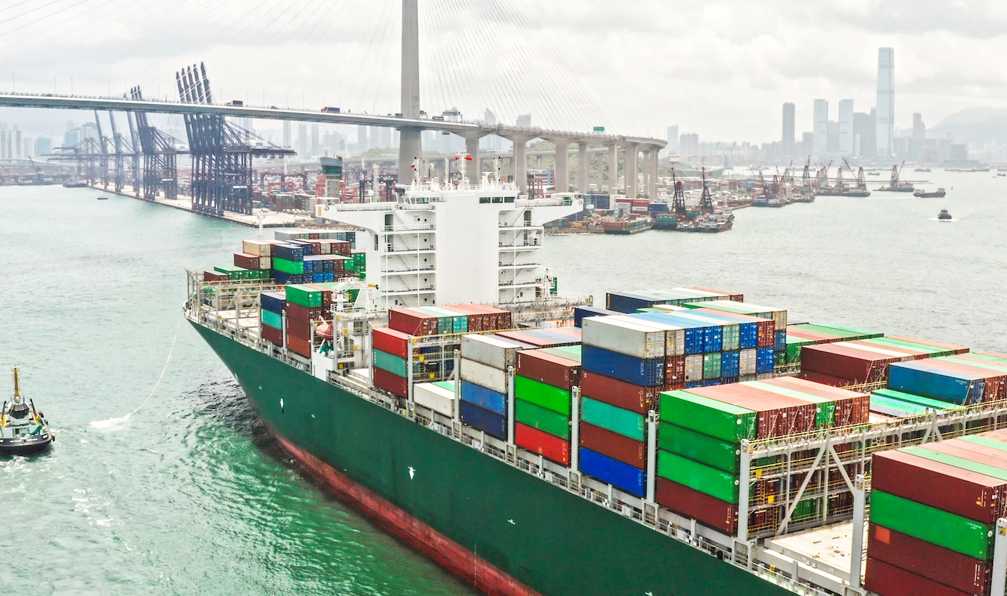
Key Components and Application Areas of Sustainable Supply Chain

What Key Areas Does CDP Cover?

What Standards Should Sustainability Reporting Follow?

Carbon Footprint Calculation Guide: Corporate Sustainability and Strategic Management

EcoVadis Scope, Methodology, and Position in the ESG Rating Ecosystem

How Does CDP Affect Corporate Sustainability?
Greenlife has established a strong collaboration with MindMons for its digital transformation infrastructure.
Why Should Scientific SBTi and Carbon Footprint Calculation Be Addressed Together?

Green Transformation in the Defense and Aerospace Industry

How Does Sustainability Reporting Provide Companies with a Competitive Advantage?

What Does a Sustainable Supply Chain Offer Companies?

From Defense Technologies to Sustainability: A New Arena of Competition in the Defense Industry

SBTi Corporate Net-Zero Standard V2.0 Draft Key Updates

What Does Sustainability Consulting Mean for Companies?

Sustainability Consulting Approaches for Corporate Resilience and Competitive Strength

Sustainability Reporting and Data Management in the Digital Age
Carbon Footprint Reduction and Reporting Standards for a Sustainable Future

Strategic Advantages for Companies with CDP Reporting, Emissions Reduction, and New Standards