
What Does a Sustainable Supply Chain Offer Companies?
The business model of the future requires much more than a simple product transfer. The European Union is preparing to make the Digital Product Passport (DPP) mandatory through regulations, particularly the Ecodesign Regulation. The DPP digitally records and makes accessible critical information such as a product's environmental impact, repairability level, origin, and sustainability performance throughout its entire life cycle (from raw material sourcing to end of use). This is no longer an option for businesses, but a requirement. Digitally recording every step from the first link in the supply chain to the consumer not only ensures legal compliance but also becomes the most powerful tool for preventing counterfeiting, unethical working conditions, and environmentally irresponsible practices.
How Does Sustainability Provide Economic Advantages to Companies?
Sustainability should no longer be seen as a cost item but as a strategic economic advantage. Smart and sustainable resource use, particularly the implementation of waste management and circular economy principles, leads to direct and significant savings in operational costs. More critically, a sustainable supply chain protects businesses from disruption risks stemming from the impacts of climate change (drought, flooding), geopolitical risks, or non-compliance with increasingly stringent regulations. Companies that perform well in risk management gain easier access to green financing opportunities and become more credible in the eyes of investors thanks to high ESG (Environmental, Social, and Governance) ratings. This translates to lower capital costs.
In the long term, a brand that embraces transparency and ethical values gains the loyalty of conscious consumers, enhancing brand reputation and positively impacting long-term revenue streams. Sustainability, in this context, is a two-way investment that both optimizes costs and increases future revenue potential.
Why is Scope 3 Emissions Management Important in a Sustainable Supply Chain?
A concrete indicator of a sustainable supply chain is the proper management of total greenhouse gas emissions resulting from a company's activities. Successful management begins with accurately measuring not only Scope 1 emissions from direct sources and Scope 2 emissions from purchased energy, but also Scope 3, which includes all indirect emissions in the supply chain, which are often the most complex and account for the largest share. Reduction strategies can be implemented more effectively when accompanied by monitoring of Scope 3 emissions. This encompasses a wide range of actions, from green logistics solutions such as route optimization and the use of electric fleets to developing joint projects with suppliers to support their energy efficiency and decarbonization efforts.
Reporting these measurement and reduction efforts in accordance with internationally recognized standards (e.g., GRI - Global Reporting Initiative or TCFD - Task Force on Climate-related Financial Disclosures) is of great importance for establishing credibility with stakeholders.



From Defense Technologies to Sustainability: A New Arena of Competition in the Defense Industry

SBTi Corporate Net-Zero Standard V2.0 Draft Key Updates

What Does Sustainability Consulting Mean for Companies?

Sustainability Consulting Approaches for Corporate Resilience and Competitive Strength

Sustainability Reporting and Data Management in the Digital Age
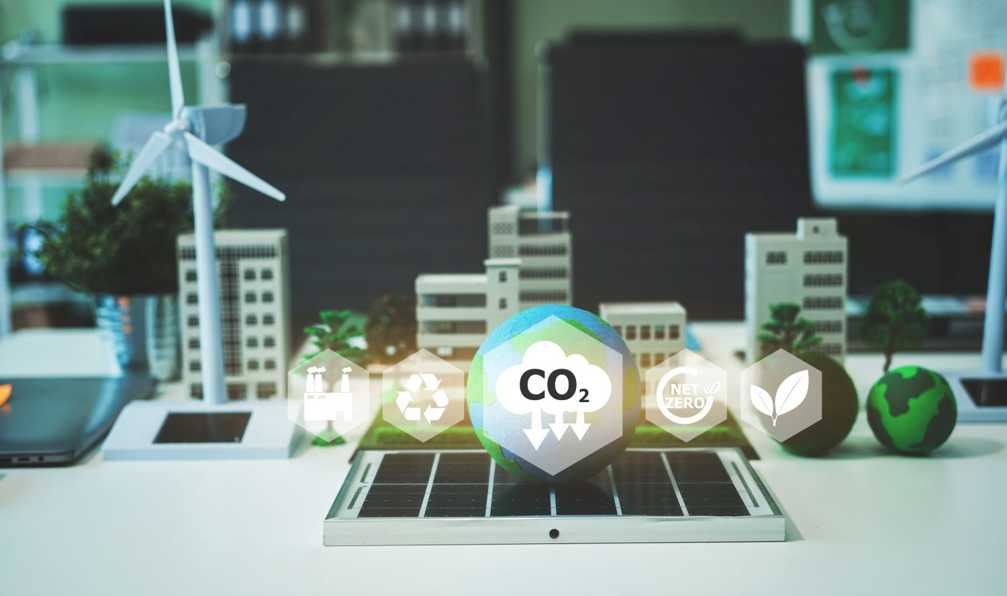
Carbon Footprint Reduction and Reporting Standards for a Sustainable Future

Strategic Advantages for Companies with CDP Reporting, Emissions Reduction, and New Standards

The Power of Sustainable Supply Chain Management for Green Transformation, Digitalization, and ESG Performance

What is a Sustainable Supply Chain?

The Strategic Role of Sustainability Reporting

How to Turn Your CDP Report into a Powerful Communication Tool?

The 7 Key Strategic Advantages Carbon Footprint Management Can Bring to Your Company

Why is Corporate Sustainability Consulting Important for Your Company's Future?
Sustainability Consulting: A Strategic Investment or a Cost for Organizations?
How is Sustainable Supply Chain Shaping the Future of the Fashion Industry?
The Role of CDP in Corporate Resilience and Risk Management

Strengthen Your Climate Strategy with Carbon Footprint Calculation
How Does Excessive Water Usage in Industry Affect Companies' Sustainability Reports?

Turkey's Success in the Financial Management of Climate Risks

Sustainability Consulting: ESG Scope and Service Areas

The Benefits of Sustainable Supply Chain Management for Businesses

What is the Carbon Disclosure Project (CDP)? A Comprehensive Guide

How to Prepare a Sustainability Report?

How is the Carbon Footprint Calculation Process Conducted

Smart Transformation in the Climate Era: The Role of Artificial Intelligence in Sustainability

What Sustainability Consulting Is and Isn't

Key Components and Application Areas of Sustainable Supply Chain

What Key Areas Does CDP Cover?

What Standards Should Sustainability Reporting Follow?

Carbon Footprint Calculation Guide: Corporate Sustainability and Strategic Management

EcoVadis Scope, Methodology, and Position in the ESG Rating Ecosystem

How Does CDP Affect Corporate Sustainability?
Greenlife has established a strong collaboration with MindMons for its digital transformation infrastructure.
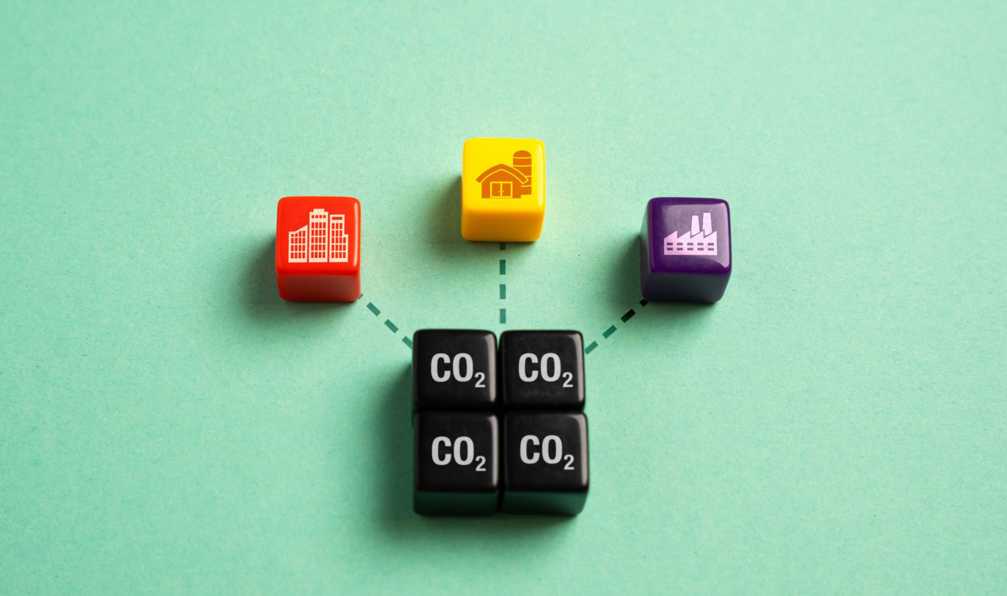
Why Should Scientific SBTi and Carbon Footprint Calculation Be Addressed Together?

Green Transformation in the Defense and Aerospace Industry