
Sustainability Consulting: A Strategic Investment or a Cost for Organizations?
Sustainability, which has taken center stage on the agendas of boards of directors and C-level executives, raises a critical question: Are sustainability-focused activities and professional consulting services in this area a cost item on the organizational balance sheet, or do they form the basis of a long-term investment? The answer to this question carries strategic significance, directly shaping the future market position and financial resilience of organizations.
Once positioned as a public relations activity, sustainability has evolved into a fundamental business strategy in today's global economy. Professional consulting services, sought for the effective management of this transformation, are defined as a strategic investment that creates corporate value, minimizes risks, and increases competitiveness, beyond being merely an expense item.
Strategic Transition from Risk Management to Value Creation
The traditional corporate perspective views sustainability as a reactive risk management activity centered on compliance with legal regulations and avoidance of potential sanctions. The modern and strategic approach, on the other hand, focuses on the potential to proactively transform these risks into opportunities through professional consulting services. A qualified consulting process goes beyond identifying environmental and social risks in an organization's operations. It provides a roadmap that reveals how improvements in these areas will trigger innovation, enable access to new markets, and increase operational efficiency. This is a transition from a reactive defense mechanism to a proactive value creation model.
Measurable Impact on Financial Performance
The return on investment (ROI) of sustainability consulting yields concrete and measurable results in financial statements:
-
Operational Efficiency: Energy, water, and waste management analyses conducted during the consulting process reveal operational inefficiencies. Eliminating these inefficiencies leads to direct cost savings in areas such as energy and water consumption and waste disposal.
-
Access to Capital: Global investment funds and financial institutions base their investment decisions largely on the ESG (Environmental, Social, and Governance) performance of institutions. A comprehensive sustainability strategy and transparent reporting enable organizations to access this growing capital pool more easily and on more favorable terms. Professional consulting aligns organizations' ESG scores with investor expectations.
Transforming Sustainability into a Competitive Advantage
In addition to direct financial returns, sustainability creates a strategic competitive advantage that strengthens organizations' market position:
-
Access to Qualified Human Resources: Today's talent pool values being part of a corporate purpose and positive impact. A strong sustainability vision enables organizations to gain a competitive advantage in the "war for talent."
-
Brand Value and Stakeholder Trust: Conscious consumers and business partners prefer transparent and responsible brands. Sustainability enhances brand reputation and credibility, increasing stakeholder loyalty and intangible brand value.
-
Market Leadership and Differentiation: While competitors in the industry are still in the adaptation phase, integrating sustainability into the core of the business model positions the organization as a market leader and pioneer.
The Role and Necessity of Professional Consulting Services
Managing this transformation entirely with internal resources presents significant challenges. A professional consulting service brings an objective perspective, deep technical expertise gained from different sectors, and proven international methodologies to the process. This approach ensures that organizations minimize trial-and-error costs and implement the most appropriate strategy in the most efficient manner.
In conclusion, the budget allocated to sustainability consulting is not an "expense" but a strategic investment in the organization's future. This investment reduces costs, creates potential for new revenue streams, attracts qualified human resources, and makes the organization more resilient to future risks. Therefore, the fundamental question for decision-makers has shifted from "Is this investment feasible?" to "Are the risks that will arise if this strategic investment is not made manageable?"


How is Sustainable Supply Chain Shaping the Future of the Fashion Industry?
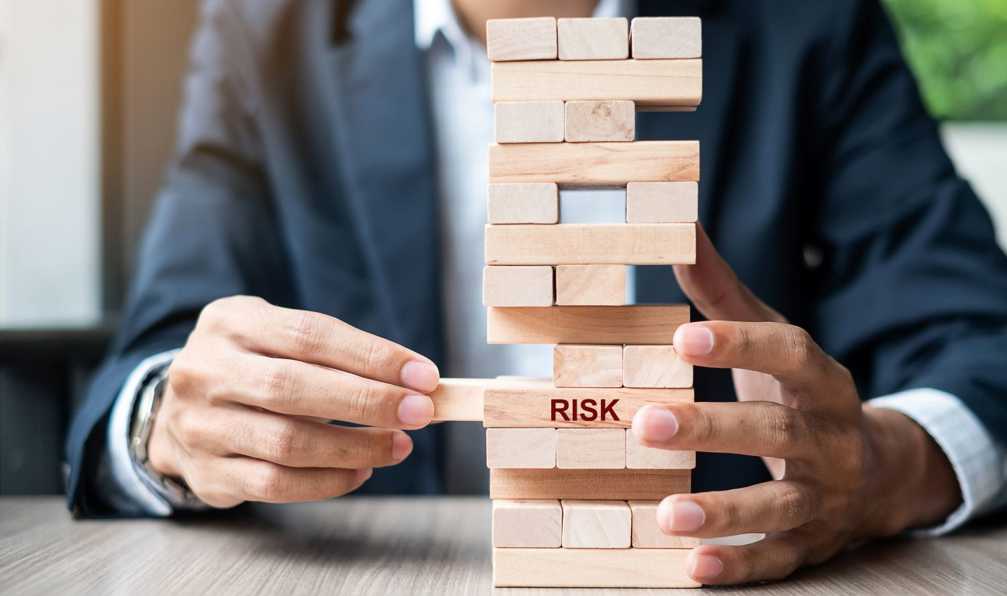
The Role of CDP in Corporate Resilience and Risk Management

Strengthen Your Climate Strategy with Carbon Footprint Calculation
How Does Excessive Water Usage in Industry Affect Companies' Sustainability Reports?

Turkey's Success in the Financial Management of Climate Risks

Sustainability Consulting: ESG Scope and Service Areas

The Benefits of Sustainable Supply Chain Management for Businesses

What is the Carbon Disclosure Project (CDP)? A Comprehensive Guide

How to Prepare a Sustainability Report?

How is the Carbon Footprint Calculation Process Conducted

Smart Transformation in the Climate Era: The Role of Artificial Intelligence in Sustainability

What Sustainability Consulting Is and Isn't

Key Components and Application Areas of Sustainable Supply Chain

What Key Areas Does CDP Cover?

What Standards Should Sustainability Reporting Follow?

Carbon Footprint Calculation Guide: Corporate Sustainability and Strategic Management

EcoVadis Scope, Methodology, and Position in the ESG Rating Ecosystem

How Does CDP Affect Corporate Sustainability?
Greenlife has established a strong collaboration with MindMons for its digital transformation infrastructure.
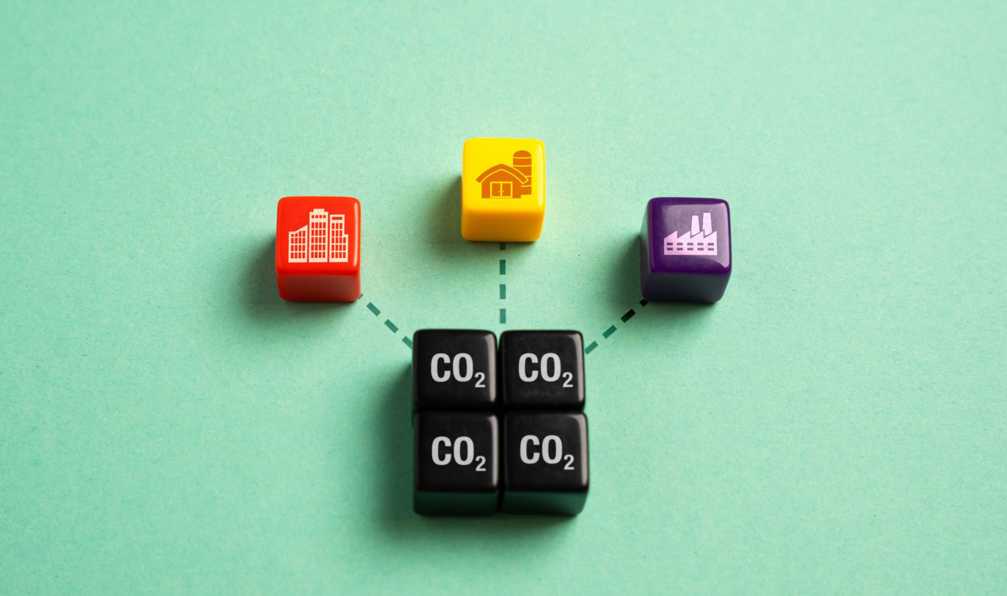
Why Should Scientific SBTi and Carbon Footprint Calculation Be Addressed Together?

Green Transformation in the Defense and Aerospace Industry

How Does Sustainability Reporting Provide Companies with a Competitive Advantage?

What Does a Sustainable Supply Chain Offer Companies?

From Defense Technologies to Sustainability: A New Arena of Competition in the Defense Industry

SBTi Corporate Net-Zero Standard V2.0 Draft Key Updates

What Does Sustainability Consulting Mean for Companies?

Sustainability Consulting Approaches for Corporate Resilience and Competitive Strength

Sustainability Reporting and Data Management in the Digital Age

Carbon Footprint Reduction and Reporting Standards for a Sustainable Future

Strategic Advantages for Companies with CDP Reporting, Emissions Reduction, and New Standards

The Power of Sustainable Supply Chain Management for Green Transformation, Digitalization, and ESG Performance

What is a Sustainable Supply Chain?

The Strategic Role of Sustainability Reporting

How to Turn Your CDP Report into a Powerful Communication Tool?

The 7 Key Strategic Advantages Carbon Footprint Management Can Bring to Your Company