
SBTi Corporate Net-Zero Standard V2.0 Draft Key Updates
New Mission
-
The SBTi Corporate Net-Zero Standard (CNZS) V2.0 changes the language of corporate climate goals, emphasizing the objective. Instead of a “commitment to net-zero by 2050,” companies must set a “transformation goal aligned with net-zero by 2050.”
-
Companies will be required to use CNZS V2.0 to set new targets starting January 1, 2028.
-
The creation of a framework for transition costs and financing demonstrates that emissions reduction is integrated into financial planning.
Supply Chain Management and Flexibility
-
The standard focuses on supply chains, emphasizing companies' potential to shape markets and drive change. Companies must set near-term targets for all significant Scope 3 categories that are equal to or greater than 5% of total Scope 3 emissions, rather than covering all Scope 3 emissions.
-
For Scope 3 emissions that are difficult to track, companies are permitted to demonstrate their performance at the Activity Pools level. Examples of activity pools include Land-Based Procurement Pool, Transportation Operation Categories, and Energy Pool.
-
One key approach to achieving Scope 3 targets is Counterparty Alignment targets. These targets require that a large portion (95%) of procurement volume comes from suppliers with aligned status (those that have set net-zero targets and demonstrate measurable progress).
-
Where companies are unable to physically source sufficient volumes of low-carbon goods or services, they are permitted to use unbundled EACs on a limited basis to support sector-level scaling.
-
Use of Environmental Attribute Certificates (EAC): When companies cannot physically source sufficient volumes of compliant goods or services, they can procure decoupled energy and commodity EACs to support the scaling of low-carbon alternatives at the activity pool or sector level.



What Does Sustainability Consulting Mean for Companies?

Sustainability Consulting Approaches for Corporate Resilience and Competitive Strength

Sustainability Reporting and Data Management in the Digital Age

Carbon Footprint Reduction and Reporting Standards for a Sustainable Future

Strategic Advantages for Companies with CDP Reporting, Emissions Reduction, and New Standards

The Power of Sustainable Supply Chain Management for Green Transformation, Digitalization, and ESG Performance

What is a Sustainable Supply Chain?

The Strategic Role of Sustainability Reporting

How to Turn Your CDP Report into a Powerful Communication Tool?

The 7 Key Strategic Advantages Carbon Footprint Management Can Bring to Your Company

Why is Corporate Sustainability Consulting Important for Your Company's Future?
Sustainability Consulting: A Strategic Investment or a Cost for Organizations?
How is Sustainable Supply Chain Shaping the Future of the Fashion Industry?

The Role of CDP in Corporate Resilience and Risk Management

Strengthen Your Climate Strategy with Carbon Footprint Calculation
How Does Excessive Water Usage in Industry Affect Companies' Sustainability Reports?

Turkey's Success in the Financial Management of Climate Risks

Sustainability Consulting: ESG Scope and Service Areas

The Benefits of Sustainable Supply Chain Management for Businesses

What is the Carbon Disclosure Project (CDP)? A Comprehensive Guide

How to Prepare a Sustainability Report?

How is the Carbon Footprint Calculation Process Conducted

Smart Transformation in the Climate Era: The Role of Artificial Intelligence in Sustainability

What Sustainability Consulting Is and Isn't

Key Components and Application Areas of Sustainable Supply Chain

What Key Areas Does CDP Cover?

What Standards Should Sustainability Reporting Follow?

Carbon Footprint Calculation Guide: Corporate Sustainability and Strategic Management

EcoVadis Scope, Methodology, and Position in the ESG Rating Ecosystem

How Does CDP Affect Corporate Sustainability?
Greenlife has established a strong collaboration with MindMons for its digital transformation infrastructure.
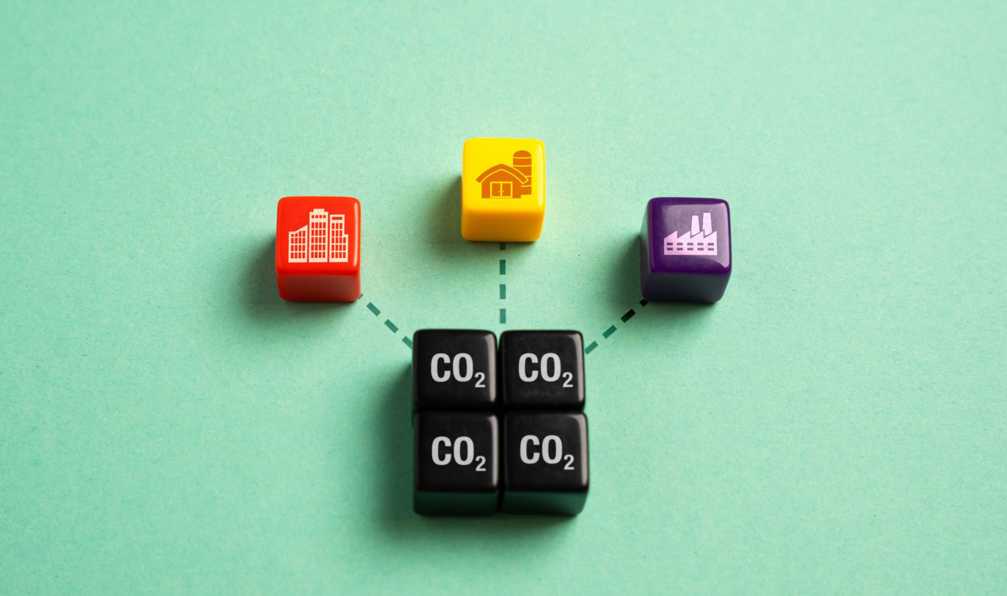
Why Should Scientific SBTi and Carbon Footprint Calculation Be Addressed Together?

Green Transformation in the Defense and Aerospace Industry

How Does Sustainability Reporting Provide Companies with a Competitive Advantage?

What Does a Sustainable Supply Chain Offer Companies?