
Sustainability Consulting: ESG Scope & Service Areas
Sustainability consulting is a strategic and multidimensional consulting field that enables companies to address their environmental, social, and governance (ESG) performance through a holistic approach in the modern business world.
Today, sustainability consulting encompasses not merely the reduction of environmental impacts, but also the fair management of human resources, the transparent execution of corporate decision-making processes, and the strengthening of long-term corporate resilience.
Global risks such as increasing regulations, investor expectations, supply chain pressures, and the climate crisis compel companies to treat sustainability as a strategic management area rather than a mere operational necessity. In this context, environmental, social, and governance topics are evaluated not as independent silos, but as mutually complementary, integrated systems.
Scope of Environmental Sustainability Consulting
Environmental sustainability consulting aims to increase the operational efficiency of companies while reducing their impact on natural resources. Going beyond legal compliance, these efforts encompass approaches that manage climate risks, optimize resource utilization, and support long-term environmental resilience.
Carbon Footprint Calculation and Management
The fundamental step in combating climate change is the accurate and transparent measurement of greenhouse gas emissions arising from company activities. In sustainability consulting processes, carbon footprint calculations are conducted in accordance with the ISO 14064-1 Standard and the GHG Protocol.
Within the scope of these studies, a detailed analysis is performed on a company's:
-
Direct emissions (Scope 1),
-
Indirect emissions from purchased energy (Scope 2),
-
Other indirect emissions occurring throughout the supply chain (Scope 3).
During the consulting process, data collection and monitoring systems are established to create a verifiable emission inventory. The obtained data contributes to the evaluation of carbon-based financial risks and ensures compliance with regulations.
Net Zero and Carbon Reduction Strategies
Following carbon footprint measurement, strategic roadmaps are created to reduce companies' emissions. Net Zero targets are handled in alignment with the Paris Agreement's goal of limiting the global temperature increase to 1.5°C.
In this process, short, medium, and long-term carbon reduction plans are developed. For emissions where reduction is not possible for technical or economic reasons, carbon offsetting mechanisms compliant with international standards are evaluated. For companies aiming to make commitments under the Science Based Targets initiative (SBTi), it is of paramount importance that these strategies align with scientific scenarios.
Energy Efficiency and Renewable Energy Solutions
Energy management is one of the areas in environmental sustainability consulting that yields the fastest wins. Through analyses conducted within the framework of the ISO 50001 Energy Management System, energy consumption profiles are examined, and efficiency potentials are identified.
In this context, energy efficiency projects, renewable energy investments, and green electricity applications are evaluated. The goal is to reduce companies' dependence on fossil fuels while transitioning energy costs to a more sustainable structure.
Waste Management, Water Management, and Circular Economy
Environmental sustainability consulting covers waste and water management in addition to energy and carbon management. While the use of natural resources is decreased through waste reduction and recycling applications, the circular economy approach is supported.
Within the scope of water management, consumption analyses are conducted within the framework of the ISO 14046 Water Footprint standard. By evaluating water scarcity and climate-related risks, solutions that increase water efficiency are developed.
Scope of Social Sustainability Consulting
Social sustainability covers the management of the relationships companies establish with their employees, suppliers, and society. This dimension has a direct impact on corporate culture, employee engagement, and brand reputation.
Employee Rights and Occupational Health and Safety
Within the scope of sustainability consulting, occupational health and safety management systems are structured in accordance with the ISO 45001 standard. In addition to creating safe working environments, policies regarding fair compensation and working conditions are developed.
Diversity, Equity, and Inclusion (DEI) Approaches
Diversity and inclusion policies are fundamental components of a sustainable corporate culture. During the consulting processes, recruitment, promotion, and performance evaluation procedures are addressed in line with equal opportunity principles.
Sustainable Supply Chain and Social Risk Management
Companies' social responsibilities also extend to their supply chains. Through supplier evaluations and audits, human rights, child labor, and ethical risks are analyzed. Responsible supply chain practices are supported through traceability systems.
Scope of Governance Consulting
Governance consulting ensures the integration of sustainability into corporate structures; it supports corporate sustainability by strengthening a transparent, accountable, and ethical management approach.
Establishing Corporate Sustainability Structures
Responsibilities are defined at the board of directors and executive management levels. By establishing sustainability committees, the implementation and monitoring of ESG targets are supported.
Code of Ethics, Compliance, and Internal Control Mechanisms
Codes of ethics, conflict of interest principles, and compliance policies are prepared and implemented company-wide. Financial and reputational risks are mitigated through internal control mechanisms.
Transparency and ESG Reporting Processes
Sustainability reports are prepared in compliance with GRI and IFRS S1/S2 standards, presenting company performance transparently to stakeholders. Data verification processes are meticulously managed to ensure reliable reporting.
The Importance and Advantages of Sustainability Consulting for Companies
Sustainability consulting is a strategic management tool that supports not only a company's current compliance requirements but also its long-term competitiveness and corporate resilience. A properly structured consulting process facilitates regulatory compliance while providing companies with the following concrete advantages:
-
Access to Green Finance: Banks and international investors now evaluate ESG scores as a primary criterion in loan and investment decisions. Companies complying with sustainability standards gain access to lower-cost financing sources, such as "Green Bonds" or "Sustainability-Linked Loans."
-
Competitiveness in Global Markets: The rules of international trade are being rewritten, led by the European Union Green Deal and the Carbon Border Adjustment Mechanism (CBAM). For exporting companies, sustainability consulting is the key to avoiding additional costs like carbon taxes and maintaining market share.
-
Reducing Operational Costs: Energy efficiency, waste management, and resource optimization efforts provide significant savings in operating costs in the medium and long term. Creating more value with less energy and raw materials directly increases the company's profitability.
-
Brand Reputation and Talent Management: Conscious consumers and the new generation of employees prefer brands that have a purpose and add value to the world. A transparent sustainability strategy increases brand loyalty while making it easier to attract and retain qualified human resources.
-
Risk Management and Resilience: Physical and transition risks associated with the climate crisis can threaten the very existence of companies. Sustainability consulting allows these risks to be foreseen, making the company more resilient against crisis scenarios.



The Benefits of Sustainable Supply Chain Management for Businesses

What is the Carbon Disclosure Project (CDP)? A Comprehensive Guide

How to Prepare a Sustainability Report?

How is the Carbon Footprint Calculation Process Conducted

Smart Transformation in the Climate Era: The Role of Artificial Intelligence in Sustainability

What Sustainability Consulting Is and Isn't

Key Components and Application Areas of Sustainable Supply Chain

What Key Areas Does CDP Cover?

What Standards Should Sustainability Reporting Follow?

Carbon Footprint Calculation Guide: Corporate Sustainability and Strategic Management

EcoVadis Scope, Methodology, and Position in the ESG Rating Ecosystem

How Does CDP Affect Corporate Sustainability?
Greenlife has established a strong collaboration with MindMons for its digital transformation infrastructure.
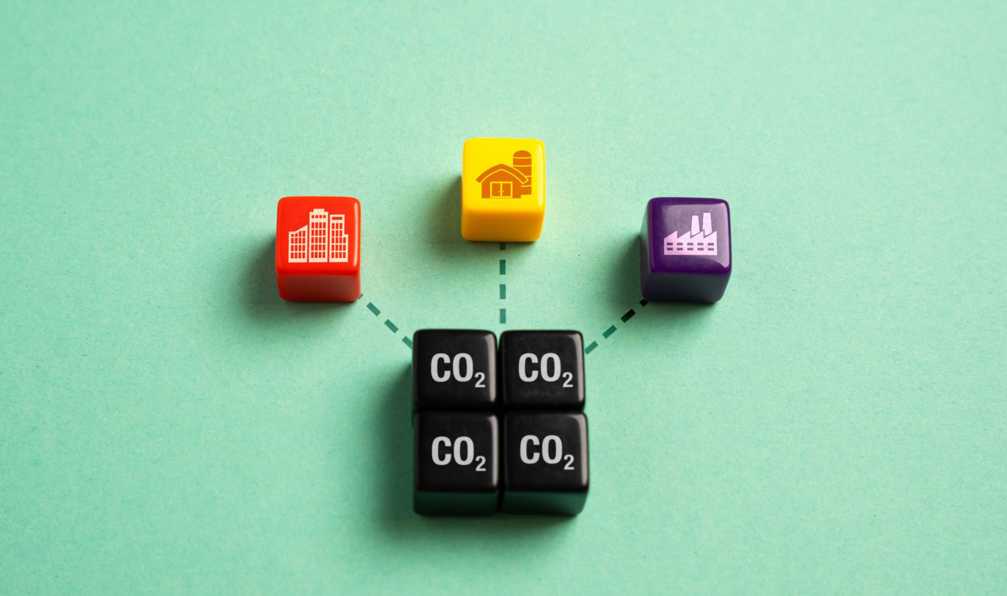
Why Should Scientific SBTi and Carbon Footprint Calculation Be Addressed Together?

Green Transformation in the Defense and Aerospace Industry

How Does Sustainability Reporting Provide Companies with a Competitive Advantage?

What Does a Sustainable Supply Chain Offer Companies?

From Defense Technologies to Sustainability: A New Arena of Competition in the Defense Industry

SBTi Corporate Net-Zero Standard V2.0 Draft Key Updates

What Does Sustainability Consulting Mean for Companies?

Sustainability Consulting Approaches for Corporate Resilience and Competitive Strength

Sustainability Reporting and Data Management in the Digital Age

Carbon Footprint Reduction and Reporting Standards for a Sustainable Future

Strategic Advantages for Companies with CDP Reporting, Emissions Reduction, and New Standards

The Power of Sustainable Supply Chain Management for Green Transformation, Digitalization, and ESG Performance

What is a Sustainable Supply Chain?

The Strategic Role of Sustainability Reporting

How to Turn Your CDP Report into a Powerful Communication Tool?

The 7 Key Strategic Advantages Carbon Footprint Management Can Bring to Your Company

Why is Corporate Sustainability Consulting Important for Your Company's Future?
Sustainability Consulting: A Strategic Investment or a Cost for Organizations?
How is Sustainable Supply Chain Shaping the Future of the Fashion Industry?
The Role of CDP in Corporate Resilience and Risk Management

Strengthen Your Climate Strategy with Carbon Footprint Calculation
How Does Excessive Water Usage in Industry Affect Companies' Sustainability Reports?