
The Role of CDP in Corporate Resilience and Risk Management
In the business world, risk management is not limited to financial statements or operational disruptions. Climate change has become a tangible risk that directly affects companies' business models. The effects of the climate crisis, which is no longer just a "polar bear problem," are being felt in every area, from supply chains to production facilities, investor confidence to regulatory compliance. At this point, CDP (Carbon Disclosure Project) performance stands out as a critical tool that helps companies manage invisible climate risks.
Mapping Risks, Invisible Threats in Your Supply Chain
CDP reporting forces companies to look not only at their own operations but also at their entire supply chain. For example, suppliers operating in a region threatened by drought could disrupt your production capacity. The CDP process allows you to proactively identify and prioritize such risks. This ensures your company is prepared not only for current operational issues but also for future crises.
Preparing for Regulations and Policies
Future carbon taxes, emissions trading systems, and stricter environmental regulations could result in significant costs for companies. Companies that report to CDP have the opportunity to analyze these transition risks in advance and develop strategies. Calculating potential costs and adjusting operational plans accordingly strengthens the company's long-term resilience.
Investor Confidence and Transparency
Companies with high CDP performance convey the message to investors that "This company takes climate risks seriously and manages them." Investors place greater trust in such companies during periods of uncertainty. Transparency and sustainability-focused reporting both strengthen corporate reputation and support financial sustainability.
CDP: A Climate Stress Test for Your Company
The CDP process essentially provides companies with a "climate stress test." Those that pass this test not only fulfill their environmental responsibilities but also gain resilience against future crises. Companies that can identify and manage invisible risks early on maintain operational stability and establish a solid foundation for sustainable growth.
CDP performance is not merely a reporting mechanism for risk management and corporate resilience; it is a critical tool that secures the company's strategic future. Making CDP reporting a priority to enhance your company's long-term resilience and manage invisible risks is no longer an option, but a necessity.



Strengthen Your Climate Strategy with Carbon Footprint Calculation
How Does Excessive Water Usage in Industry Affect Companies' Sustainability Reports?

Turkey's Success in the Financial Management of Climate Risks

Sustainability Consulting: ESG Scope and Service Areas

The Benefits of Sustainable Supply Chain Management for Businesses

What is the Carbon Disclosure Project (CDP)? A Comprehensive Guide

How to Prepare a Sustainability Report?

How is the Carbon Footprint Calculation Process Conducted

Smart Transformation in the Climate Era: The Role of Artificial Intelligence in Sustainability

What Sustainability Consulting Is and Isn't
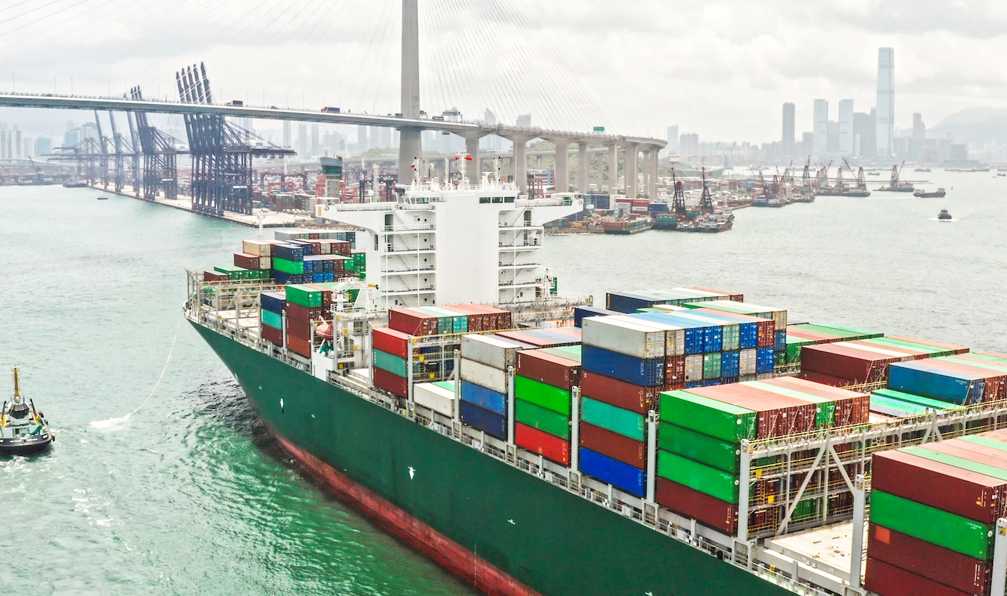
Key Components and Application Areas of Sustainable Supply Chain

What Key Areas Does CDP Cover?

What Standards Should Sustainability Reporting Follow?

Carbon Footprint Calculation Guide: Corporate Sustainability and Strategic Management

EcoVadis Scope, Methodology, and Position in the ESG Rating Ecosystem

How Does CDP Affect Corporate Sustainability?
Greenlife has established a strong collaboration with MindMons for its digital transformation infrastructure.
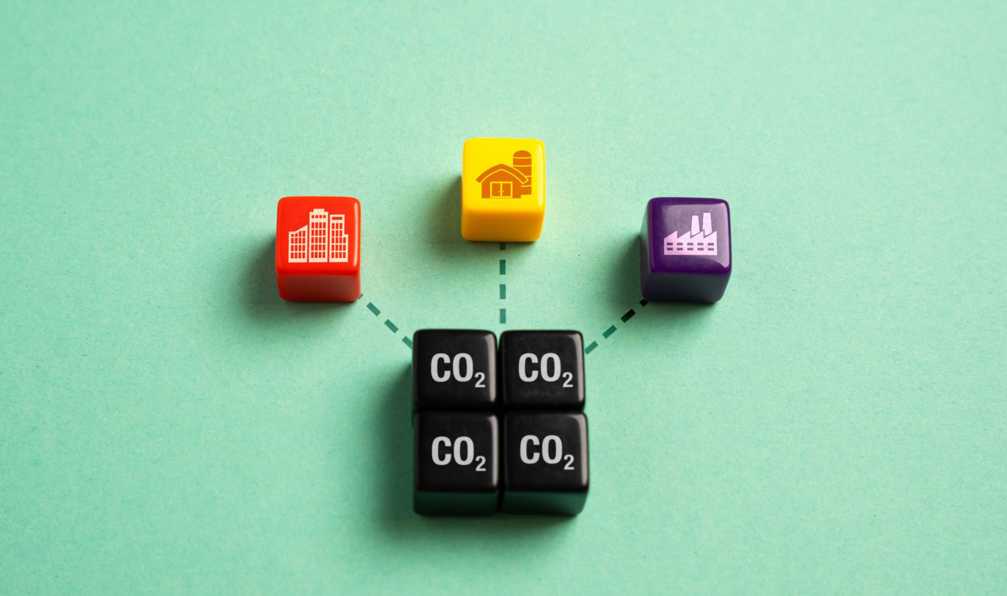
Why Should Scientific SBTi and Carbon Footprint Calculation Be Addressed Together?

Green Transformation in the Defense and Aerospace Industry

How Does Sustainability Reporting Provide Companies with a Competitive Advantage?

What Does a Sustainable Supply Chain Offer Companies?

From Defense Technologies to Sustainability: A New Arena of Competition in the Defense Industry

SBTi Corporate Net-Zero Standard V2.0 Draft Key Updates

What Does Sustainability Consulting Mean for Companies?

Sustainability Consulting Approaches for Corporate Resilience and Competitive Strength

Sustainability Reporting and Data Management in the Digital Age
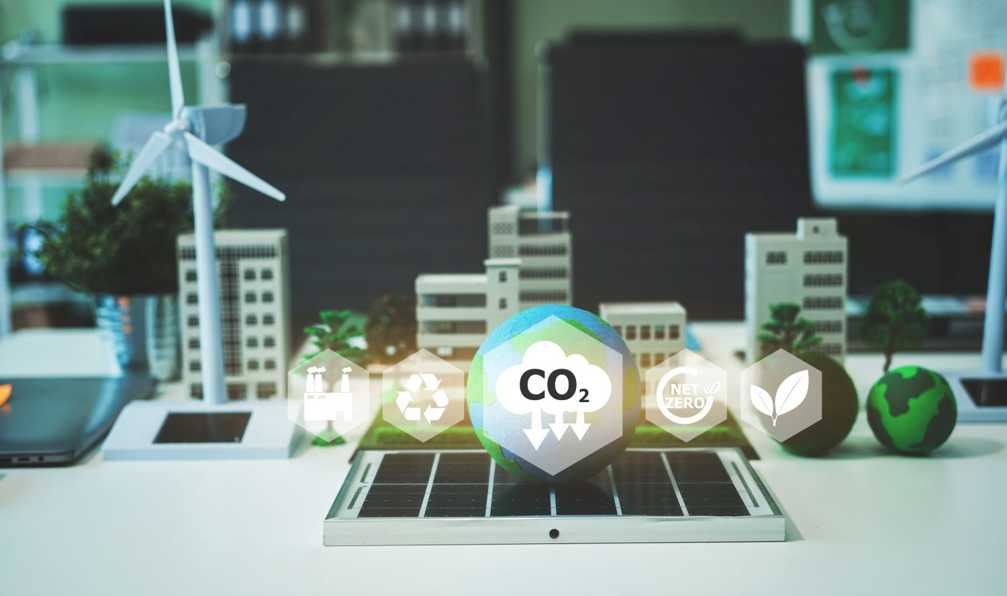
Carbon Footprint Reduction and Reporting Standards for a Sustainable Future

Strategic Advantages for Companies with CDP Reporting, Emissions Reduction, and New Standards

The Power of Sustainable Supply Chain Management for Green Transformation, Digitalization, and ESG Performance

What is a Sustainable Supply Chain?

The Strategic Role of Sustainability Reporting

How to Turn Your CDP Report into a Powerful Communication Tool?

The 7 Key Strategic Advantages Carbon Footprint Management Can Bring to Your Company