How Does Excessive Water Usage in Industry Affect Companies' Sustainability Reports?
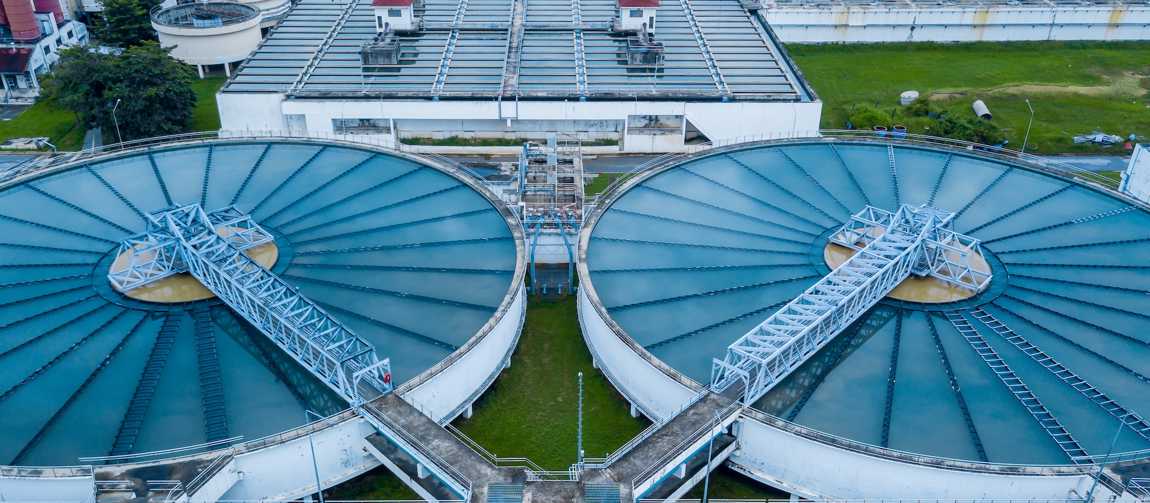
With industrialization, water has become one of the indispensable inputs in the production cycle for factories. Intensive water use is involved in many stages, from cooling systems to cleaning processes, raw material processing techniques to chemical production. However, this intensive consumption not only increases operational costs but also creates a critical risk area for companies in sustainability reporting.
The Effects of Water Consumption on Sustainability
Resource Depletion and Water Stress
According to United Nations data, by 2050, more than half of the world's population will live in water-stressed regions. Turkey is also among the countries “under water stress.” Excessive water consumption by factories puts pressure on local water resources, creating direct competition with agricultural production and social water access.
Climate Change and Cyclical Risks
When combined with climate change, excessive water consumption leads to drought, production interruptions, and operational risks. This causes disruptions in companies' supply chains and unpredictable cost increases.
Environmental Footprint
High water consumption affects the environment not only in terms of quantity but also through wastewater discharge. Industrial wastewater left untreated damages ecosystems and harms biodiversity.
Water Consumption in Sustainability Reporting
International reporting standards position water consumption as a “material topic” for companies:
-
GRI Standards (Global Reporting Initiative): Water consumption is reported in terms of total water withdrawal, types of sources used (groundwater, surface water, municipal supply), and the quantity and quality of wastewater discharged.
-
CDP Water Disclosure: Water management performance, which investors also pay attention to, is considered as critical as companies' climate strategies.
-
ESG Reporting: Water consumption is one of the most critical parameters within environmental (E) indicators, along with carbon emissions.
High water consumption by companies is not just a numerical data point in reports, but also serves as a credibility test for stakeholders. Investors, customers, and regulators directly associate the efficient use of water with a company's risk management capacity.
Water Management in Industry with Solution Approaches
For factories to demonstrate strong performance in sustainability reporting, they must not only measure consumption but also implement reduction measures:
-
Water Recovery and Reuse: Treating wastewater for reuse in processes.
-
Closed-Loop Cooling Systems: Technologies that minimize continuous water consumption.
-
Efficiency Analysis: Measurement systems that track which production steps consume the most water.
-
Supply Chain Management: Tracking indirect water consumption (water footprint).
Factories' high water consumption is not only an environmental issue but also a strategic sustainability indicator. Companies that ignore water management today risk facing regulatory pressure, investor disinterest, and public criticism tomorrow. Conversely, transparent reporting and innovative water management solutions provide companies not only with environmental benefits but also with a competitive advantage.



Turkey's Success in the Financial Management of Climate Risks
Sustainability Consulting: ESG Scope and Service Areas

The Benefits of Sustainable Supply Chain Management for Businesses

What is the Carbon Disclosure Project (CDP)? A Comprehensive Guide

How to Prepare a Sustainability Report?

How is the Carbon Footprint Calculation Process Conducted

Smart Transformation in the Climate Era: The Role of Artificial Intelligence in Sustainability

What Sustainability Consulting Is and Isn't
Key Components and Application Areas of Sustainable Supply Chain

What Key Areas Does CDP Cover?

What Standards Should Sustainability Reporting Follow?

Carbon Footprint Calculation Guide: Corporate Sustainability and Strategic Management

EcoVadis Scope, Methodology, and Position in the ESG Rating Ecosystem
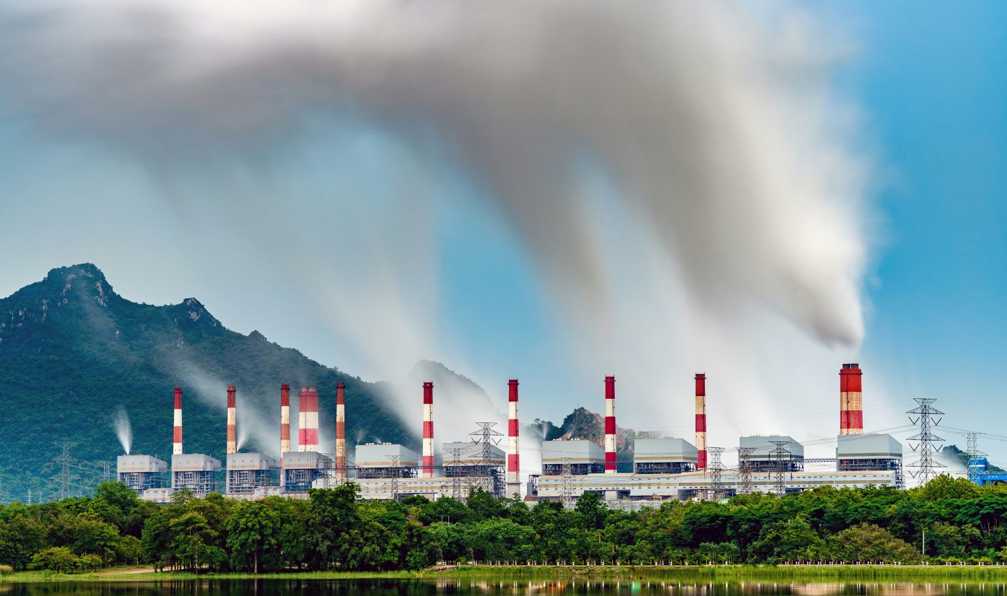
How Does CDP Affect Corporate Sustainability?
Greenlife has established a strong collaboration with MindMons for its digital transformation infrastructure.
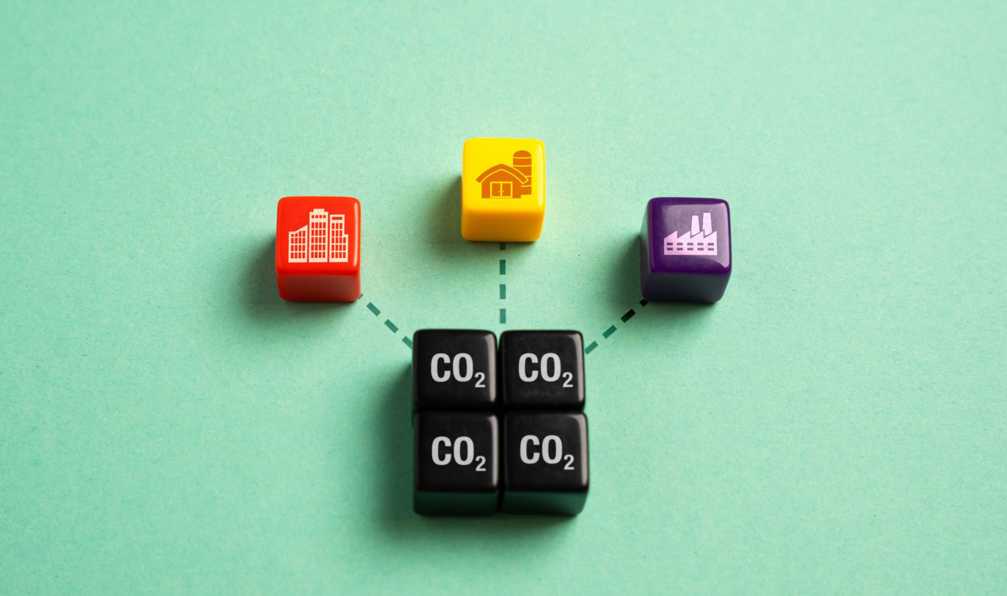
Why Should Scientific SBTi and Carbon Footprint Calculation Be Addressed Together?

Green Transformation in the Defense and Aerospace Industry

How Does Sustainability Reporting Provide Companies with a Competitive Advantage?

What Does a Sustainable Supply Chain Offer Companies?

From Defense Technologies to Sustainability: A New Arena of Competition in the Defense Industry

SBTi Corporate Net-Zero Standard V2.0 Draft Key Updates

What Does Sustainability Consulting Mean for Companies?

Sustainability Consulting Approaches for Corporate Resilience and Competitive Strength

Sustainability Reporting and Data Management in the Digital Age
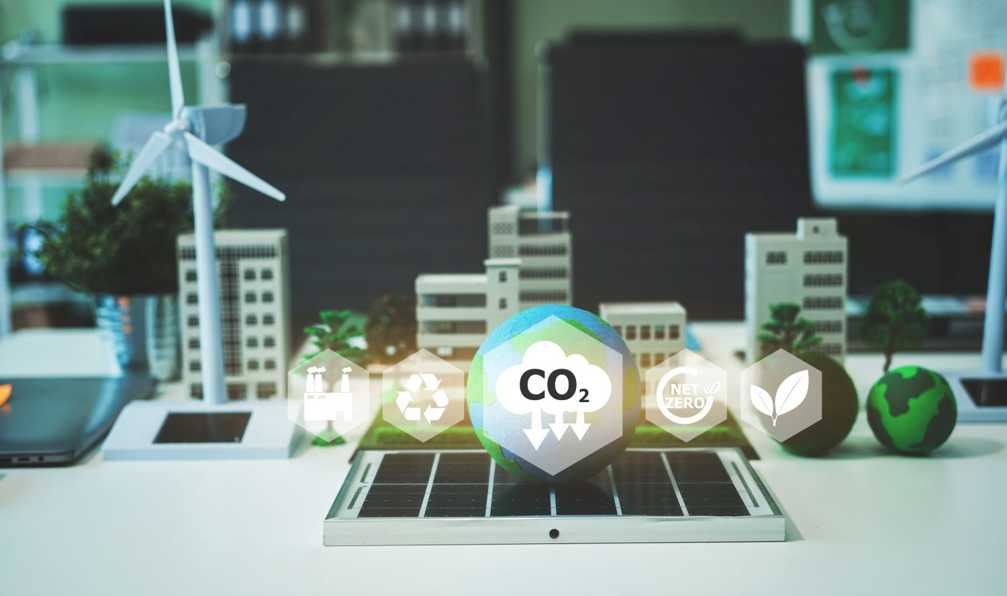
Carbon Footprint Reduction and Reporting Standards for a Sustainable Future

Strategic Advantages for Companies with CDP Reporting, Emissions Reduction, and New Standards

The Power of Sustainable Supply Chain Management for Green Transformation, Digitalization, and ESG Performance

What is a Sustainable Supply Chain?

The Strategic Role of Sustainability Reporting

How to Turn Your CDP Report into a Powerful Communication Tool?

The 7 Key Strategic Advantages Carbon Footprint Management Can Bring to Your Company

Why is Corporate Sustainability Consulting Important for Your Company's Future?
Sustainability Consulting: A Strategic Investment or a Cost for Organizations?
How is Sustainable Supply Chain Shaping the Future of the Fashion Industry?

The Role of CDP in Corporate Resilience and Risk Management