
The 7 Key Strategic Advantages Carbon Footprint Management Can Bring to Your Company
Carbon footprint management is no longer just an environmental responsibility; it is a business management issue at the heart of cost, risk, and growth strategy. Increasing regulations, expectations for transparency in supply chains, and investors' ESG-focused approach require companies to measure, report, and systematically reduce their emissions. A carbon strategy supported by accurate data provides short-term efficiency and savings while strengthening brand value and competitiveness in the long term. Below are seven key strategic advantages that carbon footprint management can offer your company.
1. Cost Optimization and Energy Efficiency
The carbon footprint calculation process analyzes energy consumption and the resulting emissions as a primary resource. This in-depth analysis maps energy inefficiencies within the business and reveals concrete savings opportunities in areas such as electricity and fuel. Improving energy efficiency is the most direct way to reduce operating costs.
2. Operational Excellence and Resource Efficiency
The carbon footprint calculation process requires reviewing all critical resource usage, including not only energy but also raw materials, water consumption, and waste management. This systematic review supports the transition to a leaner and more optimized production/service model by minimizing waste, thereby achieving a permanent increase in operational efficiency.
3. Enhanced Corporate Reputation and Brand Value
Conscious consumers and business partners are turning to sustainable brands that minimize their environmental impact. Transparent carbon footprint reporting and reduction strategies are concrete evidence of your company's Environmental, Social, and Governance (ESG) commitments. This directly strengthens brand reputation and customer loyalty.
4. Industry Leadership and Competitive Advantage
Taking early action in sustainability, setting ambitious carbon reduction targets, and proving it (e.g., with a net-zero roadmap) creates a significant competitive advantage that sets you apart from your industry rivals. This leadership position makes you the preferred choice, especially in global supply chains and large-scale tenders.
5. Attractive Investment Profile and Financial Access
Global investors are directing their capital towards companies with high ESG scores. An effective low-carbon strategy and regular carbon footprint calculation reporting will increase your ESG score, making your company a more reliable, transparent, and attractive investment asset for financial markets.
6. Proactive Legal Compliance and Risk Mitigation
Carbon taxes (e.g., Carbon Border Adjustment Mechanism - CBAM) and mandatory emissions reporting requirements are increasing globally. Managing your carbon footprint ensures preparedness for future regulations, helps overcome potential international trade barriers, and eliminates the risk of potential penalties.
7. Attracting Qualified Talent and Employee Engagement
New generations of talent and employees place great importance on the positive impact their organization has on the world. A strong sustainability culture and transparent carbon reduction efforts are critical tools for attracting the best qualified employees to your company and retaining existing talent with high engagement.
Carbon footprint calculation and management are indispensable strategic tools not only for the environment but also for your company's long-term financial sustainability and competitive strength.



Why is Corporate Sustainability Consulting Important for Your Company's Future?
Sustainability Consulting: A Strategic Investment or a Cost for Organizations?
How is Sustainable Supply Chain Shaping the Future of the Fashion Industry?

The Role of CDP in Corporate Resilience and Risk Management

Strengthen Your Climate Strategy with Carbon Footprint Calculation
How Does Excessive Water Usage in Industry Affect Companies' Sustainability Reports?

Turkey's Success in the Financial Management of Climate Risks

Sustainability Consulting: ESG Scope and Service Areas

The Benefits of Sustainable Supply Chain Management for Businesses

What is the Carbon Disclosure Project (CDP)? A Comprehensive Guide

How to Prepare a Sustainability Report?

How is the Carbon Footprint Calculation Process Conducted

Smart Transformation in the Climate Era: The Role of Artificial Intelligence in Sustainability

What Sustainability Consulting Is and Isn't

Key Components and Application Areas of Sustainable Supply Chain

What Key Areas Does CDP Cover?

What Standards Should Sustainability Reporting Follow?

Carbon Footprint Calculation Guide: Corporate Sustainability and Strategic Management

EcoVadis Scope, Methodology, and Position in the ESG Rating Ecosystem

How Does CDP Affect Corporate Sustainability?

Greenlife has established a strong collaboration with MindMons for its digital transformation infrastructure.
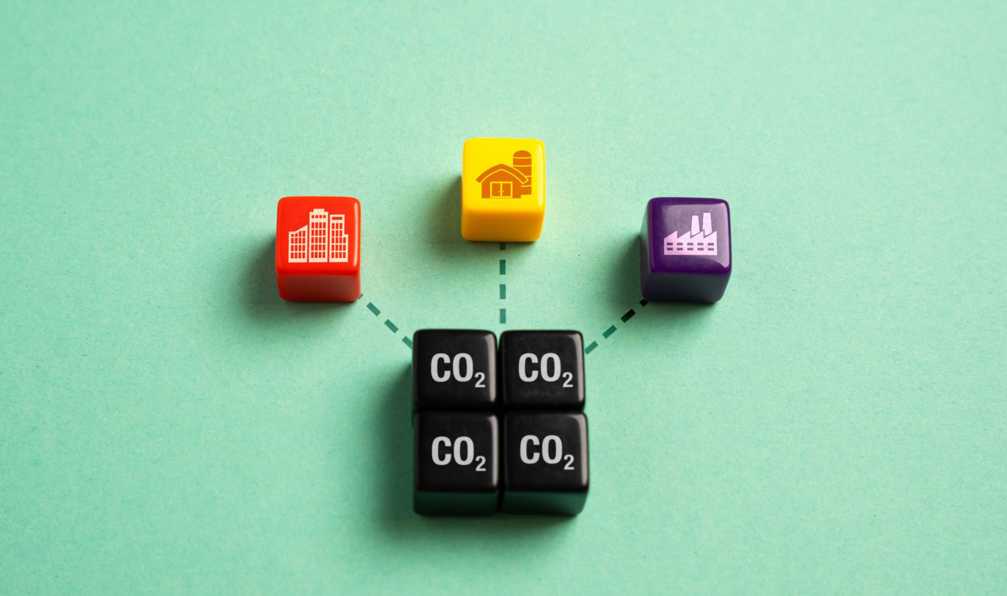
Why Should Scientific SBTi and Carbon Footprint Calculation Be Addressed Together?

Green Transformation in the Defense and Aerospace Industry

How Does Sustainability Reporting Provide Companies with a Competitive Advantage?

What Does a Sustainable Supply Chain Offer Companies?

From Defense Technologies to Sustainability: A New Arena of Competition in the Defense Industry

SBTi Corporate Net-Zero Standard V2.0 Draft Key Updates

What Does Sustainability Consulting Mean for Companies?

Sustainability Consulting Approaches for Corporate Resilience and Competitive Strength

Sustainability Reporting and Data Management in the Digital Age

Carbon Footprint Reduction and Reporting Standards for a Sustainable Future

Strategic Advantages for Companies with CDP Reporting, Emissions Reduction, and New Standards

The Power of Sustainable Supply Chain Management for Green Transformation, Digitalization, and ESG Performance

What is a Sustainable Supply Chain?

The Strategic Role of Sustainability Reporting