
How is Sustainable Supply Chain Shaping the Future of the Fashion Industry?
The global fashion industry is undergoing a fundamental structural transformation, moving beyond its traditional aesthetic and trend-focused approach. The metrics of speed and volume that defined success in the past are increasingly giving way to concepts such as responsibility, accountability, and transparency. This transformation is emerging as a strategic necessity for the sector's long-term economic viability, beyond being merely an ethical choice. Growing data-driven awareness of the sector's environmental and social footprint is the fundamental driving force behind this change.
Measurable Impacts of the Traditional Model
The business model defined as "fast fashion," which encourages low-cost production with constantly renewed collections, generates measurable environmental and social costs. The layered and opaque structure of traditional supply chains is a key factor complicating the management of these costs.
-
Environmental Impacts: The industry's ecological footprint has been substantiated by various international reports. According to the United Nations Environment Programme (UNEP), the fashion industry is responsible for 2% to 8% of global carbon emissions. Water consumption is similarly critical; producing a single cotton T-shirt can require approximately 2,700 liters of water (Source: WWF). Data from the Ellen MacArthur Foundation points to an even more striking waste problem: every second, a truckload of textile products is either buried in landfills or incinerated.
-
Social and Governance Risks: The lack of transparency in the supply chain brings with it serious governance risks. The 2024 Fashion Transparency Index published by Fashion Revolution shows that the average transparency score of the leading 250 brands is still around 20%. This opaque structure prevents the identification and management of risks such as unfair working conditions, wage inequalities, and disregard for worker safety standards among lower-tier suppliers.
Positioning Transparency as a Strategic Management Tool
In this context, transparency is a fundamental corporate management tool that manages complex risks, increases operational efficiency, and establishes stakeholder trust.
A transparent supply chain enables brands to proactively identify and manage their operational and reputational risks. In today's economic climate, where investors and financial institutions increasingly prioritize ESG (Environmental, Social, and Governance) criteria, this capability is of critical importance. Indeed, the "State of Fashion 2025" report published by McKinsey & Company reveals that the vast majority of investors consider sustainability performance a key factor in their investment decisions. Transparency is the most tangible indicator of this performance.
Innovations Shaping Sustainable Fashion
The evolution of the fashion industry around sustainability is being shaped by concrete applications and technological innovations.
-
Traceability Technologies: Blockchain, digital product passports, and QR code systems enable the verifiable tracking of a product's journey from raw material to end consumer. The European Union's plan to make Digital Product Passports mandatory by 2026 is an example of how regulations are accelerating technological adaptation in this area.
-
Circular Business Models: Circular business models based on repair, resale, and recycling principles are replacing the traditional linear model. An analysis by Boston Consulting Group (BCG) predicts that the second-hand clothing market will grow faster than the fast fashion market in the coming years. This signals the rise of a new and profitable economic model in which waste is redefined as a resource.
The future of the fashion industry will be defined not only by aesthetic and design innovation, but also by ethical and operational excellence. As data proves, brands that adopt transparency and sustainability in the supply chain as a core business strategy will not only respond to changing consumer and investor expectations but will also build a more resilient, efficient, and reputable structure against the financial and operational uncertainties of the future. This is not a trend but an inevitable structural transformation of the industry.
Sources:
-
UN Environment Programme (UNEP) & Ellen MacArthur Foundation. (2022). A New Textiles Economy: Redesigning Fashion's Future Report.
-
(For carbon emissions and overall environmental impact data.)
-
WWF (World Wide Fund for Nature). The Impact of a Cotton T-Shirt Report.
-
(For cotton t-shirt water consumption data.)
-
Ellen MacArthur Foundation. (2017). A New Textiles Economy: Redesigning Fashion's Future.
-
(Primary source for textile waste data.)
-
Fashion Revolution. (2024). Fashion Transparency Index 2024.
-
(For brand transparency score data.)
-
McKinsey & Company & The Business of Fashion (BoF). (2024). The State of Fashion 2025 Report.
-
(For analysis of investors' ESG expectations.)
-
Boston Consulting Group (BCG). (2023). The Future of the Secondhand Market Report.
-
(For secondhand market growth data and analysis.)


The Role of CDP in Corporate Resilience and Risk Management
Strengthen Your Climate Strategy with Carbon Footprint Calculation
How Does Excessive Water Usage in Industry Affect Companies' Sustainability Reports?

Turkey's Success in the Financial Management of Climate Risks

Sustainability Consulting: ESG Scope and Service Areas

The Benefits of Sustainable Supply Chain Management for Businesses

What is the Carbon Disclosure Project (CDP)? A Comprehensive Guide

How to Prepare a Sustainability Report?

How is the Carbon Footprint Calculation Process Conducted

Smart Transformation in the Climate Era: The Role of Artificial Intelligence in Sustainability

What Sustainability Consulting Is and Isn't
Key Components and Application Areas of Sustainable Supply Chain

What Key Areas Does CDP Cover?

What Standards Should Sustainability Reporting Follow?

Carbon Footprint Calculation Guide: Corporate Sustainability and Strategic Management

EcoVadis Scope, Methodology, and Position in the ESG Rating Ecosystem
How Does CDP Affect Corporate Sustainability?

Greenlife has established a strong collaboration with MindMons for its digital transformation infrastructure.
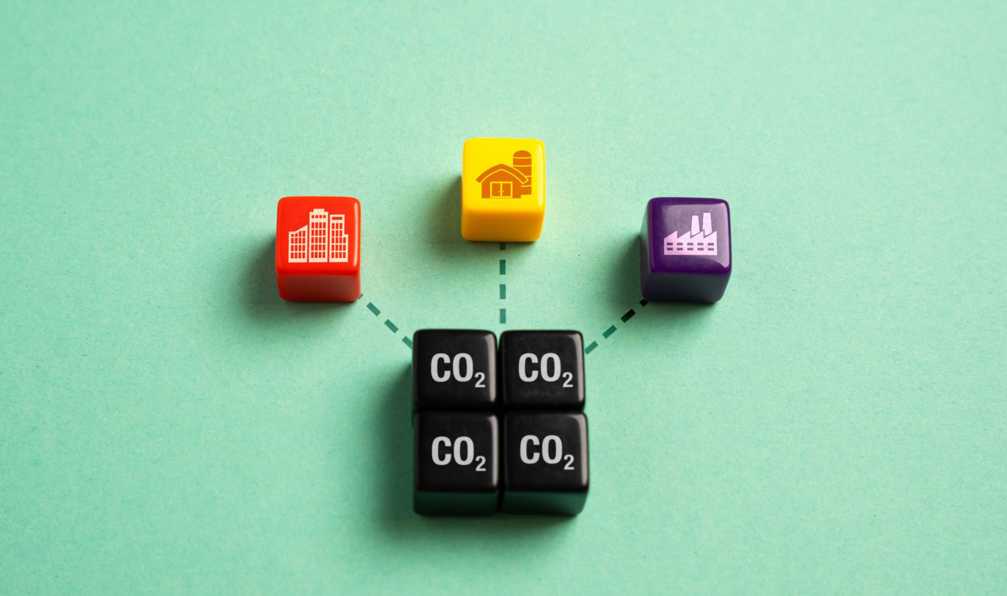
Why Should Scientific SBTi and Carbon Footprint Calculation Be Addressed Together?

Green Transformation in the Defense and Aerospace Industry

How Does Sustainability Reporting Provide Companies with a Competitive Advantage?

What Does a Sustainable Supply Chain Offer Companies?

From Defense Technologies to Sustainability: A New Arena of Competition in the Defense Industry

SBTi Corporate Net-Zero Standard V2.0 Draft Key Updates

What Does Sustainability Consulting Mean for Companies?

Sustainability Consulting Approaches for Corporate Resilience and Competitive Strength

Sustainability Reporting and Data Management in the Digital Age
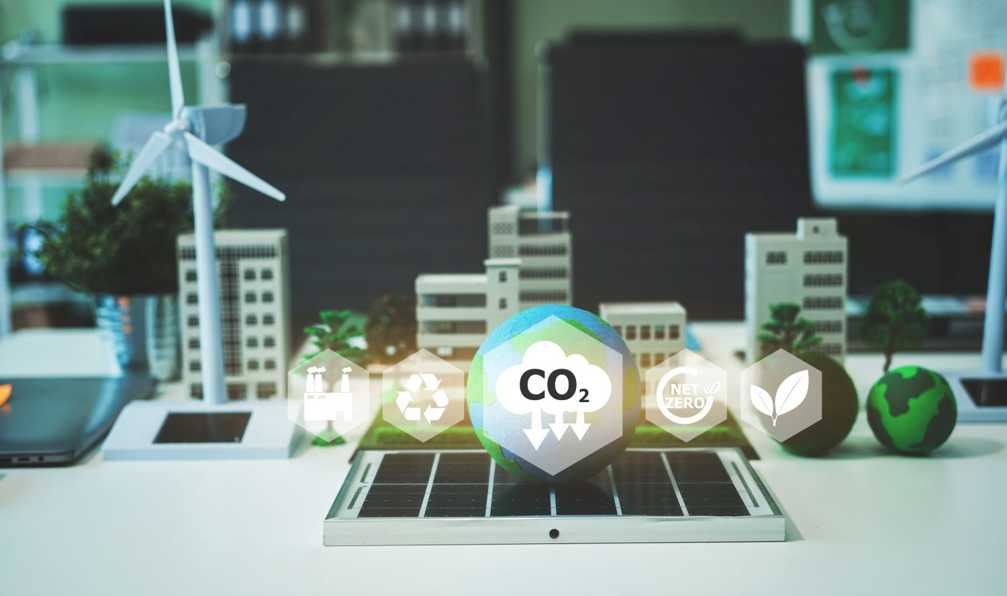
Carbon Footprint Reduction and Reporting Standards for a Sustainable Future

Strategic Advantages for Companies with CDP Reporting, Emissions Reduction, and New Standards

The Power of Sustainable Supply Chain Management for Green Transformation, Digitalization, and ESG Performance

What is a Sustainable Supply Chain?

The Strategic Role of Sustainability Reporting

How to Turn Your CDP Report into a Powerful Communication Tool?

The 7 Key Strategic Advantages Carbon Footprint Management Can Bring to Your Company